

OCTOBER 21: A diet rich in whole grains is important for our health. And our eating habits are formed at an early age. For children and young people, it is therefore important to include whole grains in their diet […]

Gut Health – How Do Whole Grains Affect Well-Being?
SEPTEMBER 22: When your stomach is acting up, it’s hard to feel happy and healthy. A “gut feeling” isn’t just an expression of what we instinctively prefer—it’s also linked […]
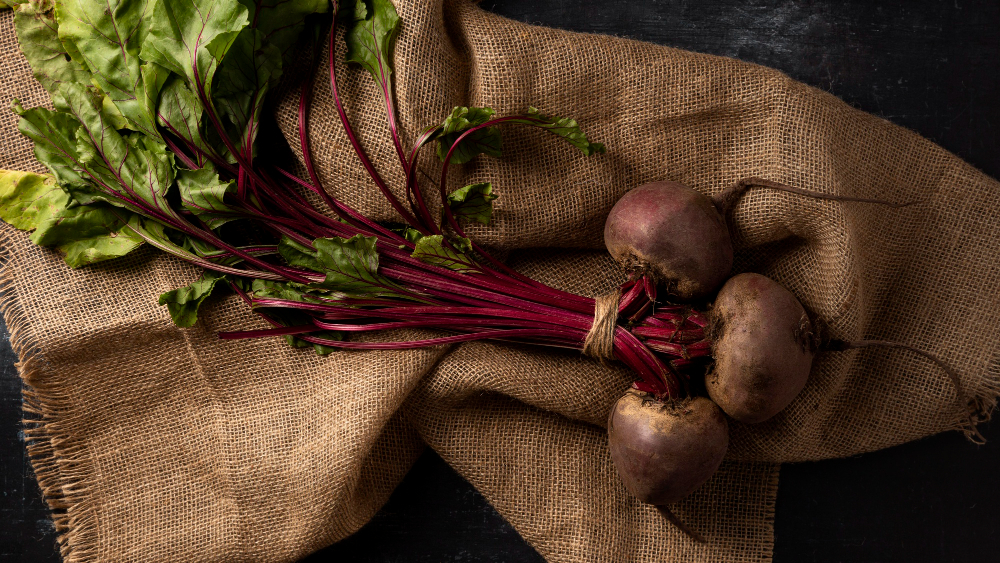
Switching to a plant-based diet: women's health
JUNE 11: Are you curious about how a more plant-based diet can affect your health and well-being? Join us for an inspiring webinar where we’ll explore both the possibilities and the […]
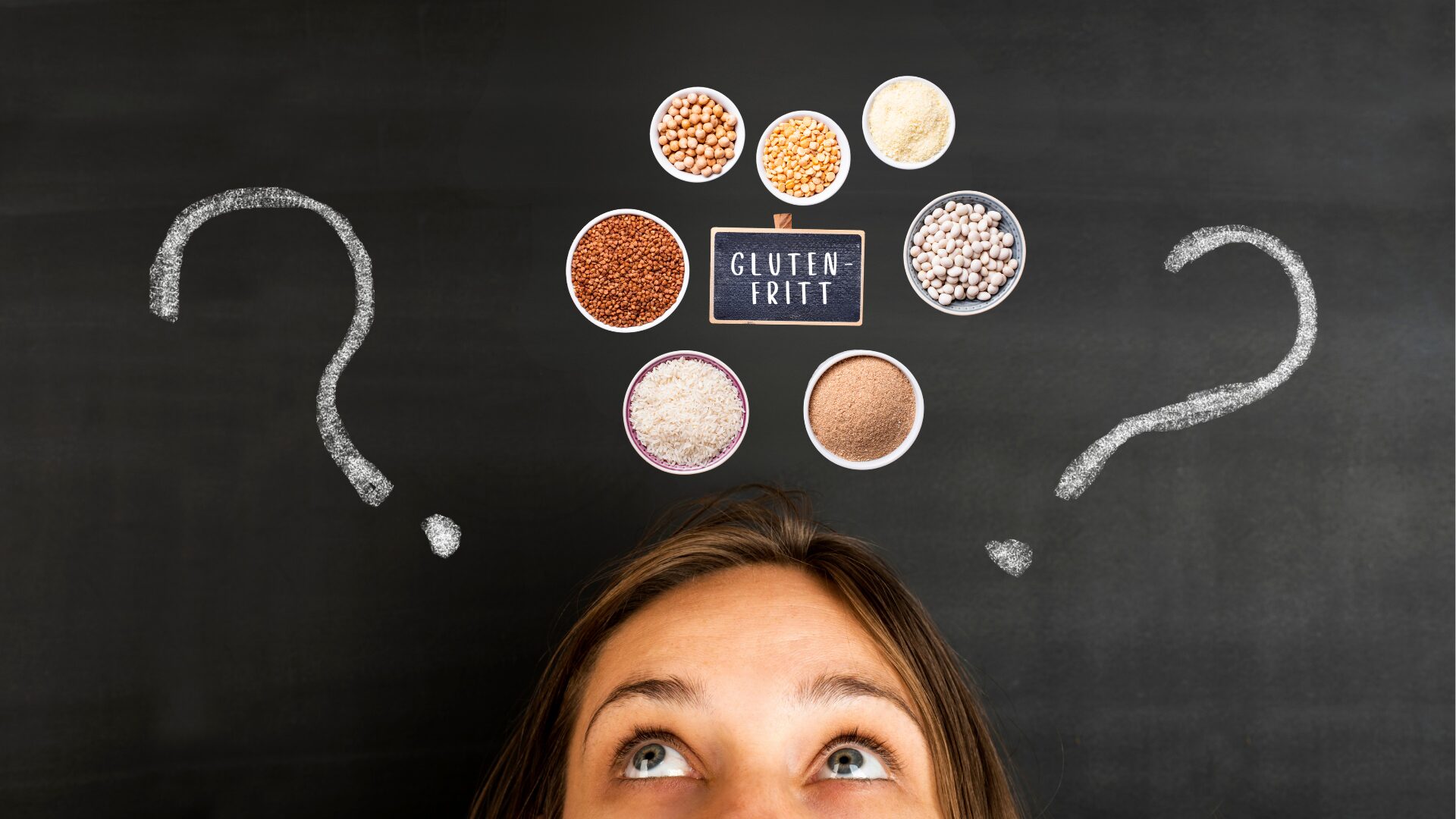
Whole grains in a gluten-free diet – why should I care? And how do I do it?
MAY 11: A whole grain-rich diet is important for our health. If you have celiac disease and need a gluten-free diet, it can be extra challenging to get enough whole grains. […]

Baking with whole grains – tips for success!
MARCH 24: Would you like to learn how to bake with whole grains and make moist, flavorful bread? We’ll be joined by Berte Qvarn’s talented baker, Stefan Smedberg, who will share tips and answer questions about how […]
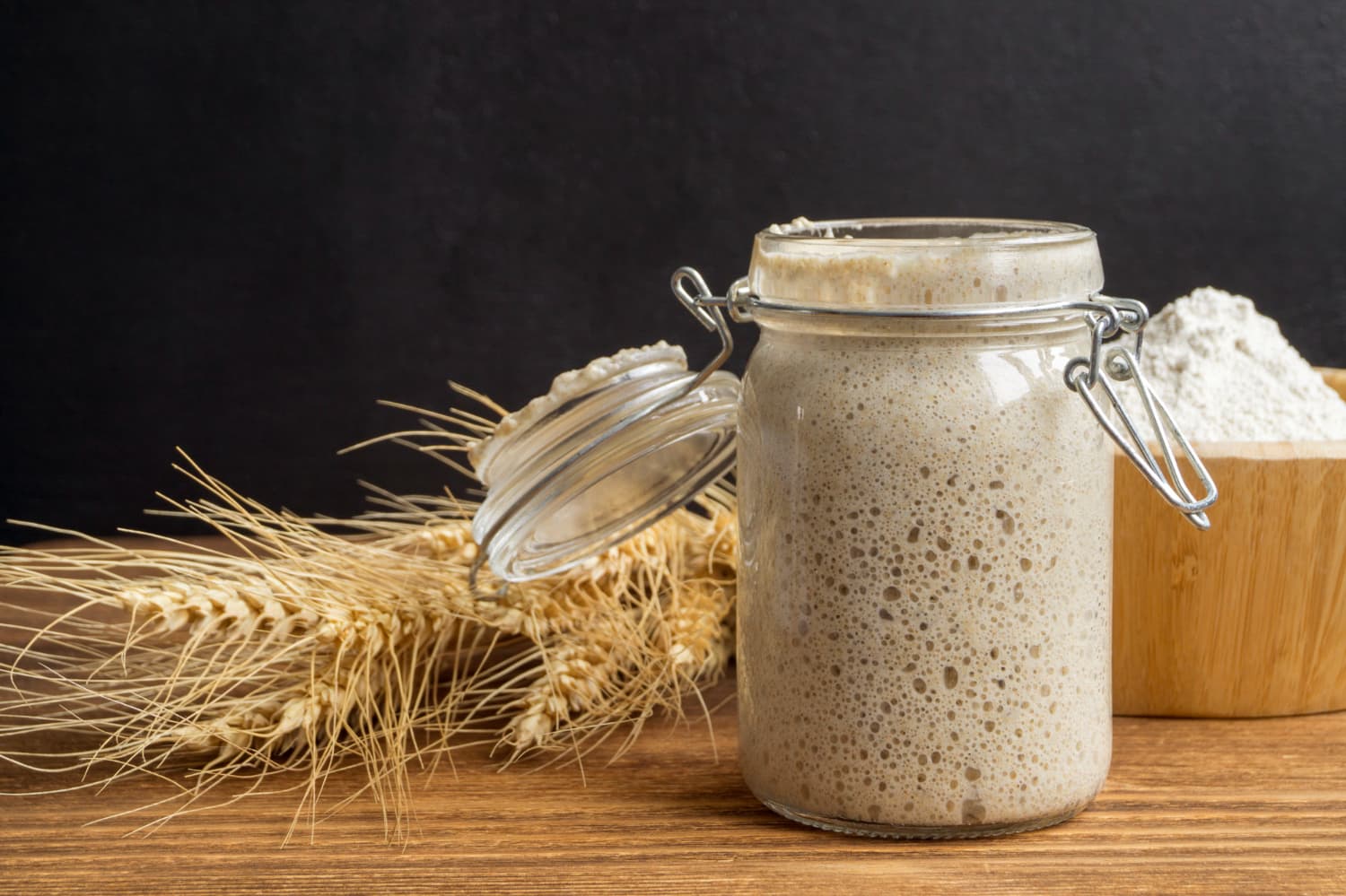
Fermenting fiber - a way to increase whole grain consumption
NOVEMBER 20: Increasing the Fiber Content in Bread! As part of a pilot project for the research initiative “Attractive, Sustainable, and Healthy Food – Developing the Food of the Future,” researchers at Kristianstad University have investigated how well […]

Whole grains on the menu - smart solutions for the school kitchen
24 SEPTEMBER: What are the success factors for getting whole grains on school menus? FullkornsFrämjandet met with three municipalities that have managed to find smart solutions that easily get students [...]

WHOLE GRAINS AND THE GUT-BRAIN AXIS
What is this about? Laura Pirkola of the Swedish University of Agricultural Sciences, Faculty of Natural Resources and Agricultural Sciences, Department of Molecular Sciences, presents findings from her dissertation. The findings show that rye may have the potential to […]

Why should we eat more whole grains?
16 APRIL: Wholegrains are one of the most important dietary factors relevant to public health. Whole grains are also a central part of the plant-based part of the diet, the consumption of which contributes to major [...]
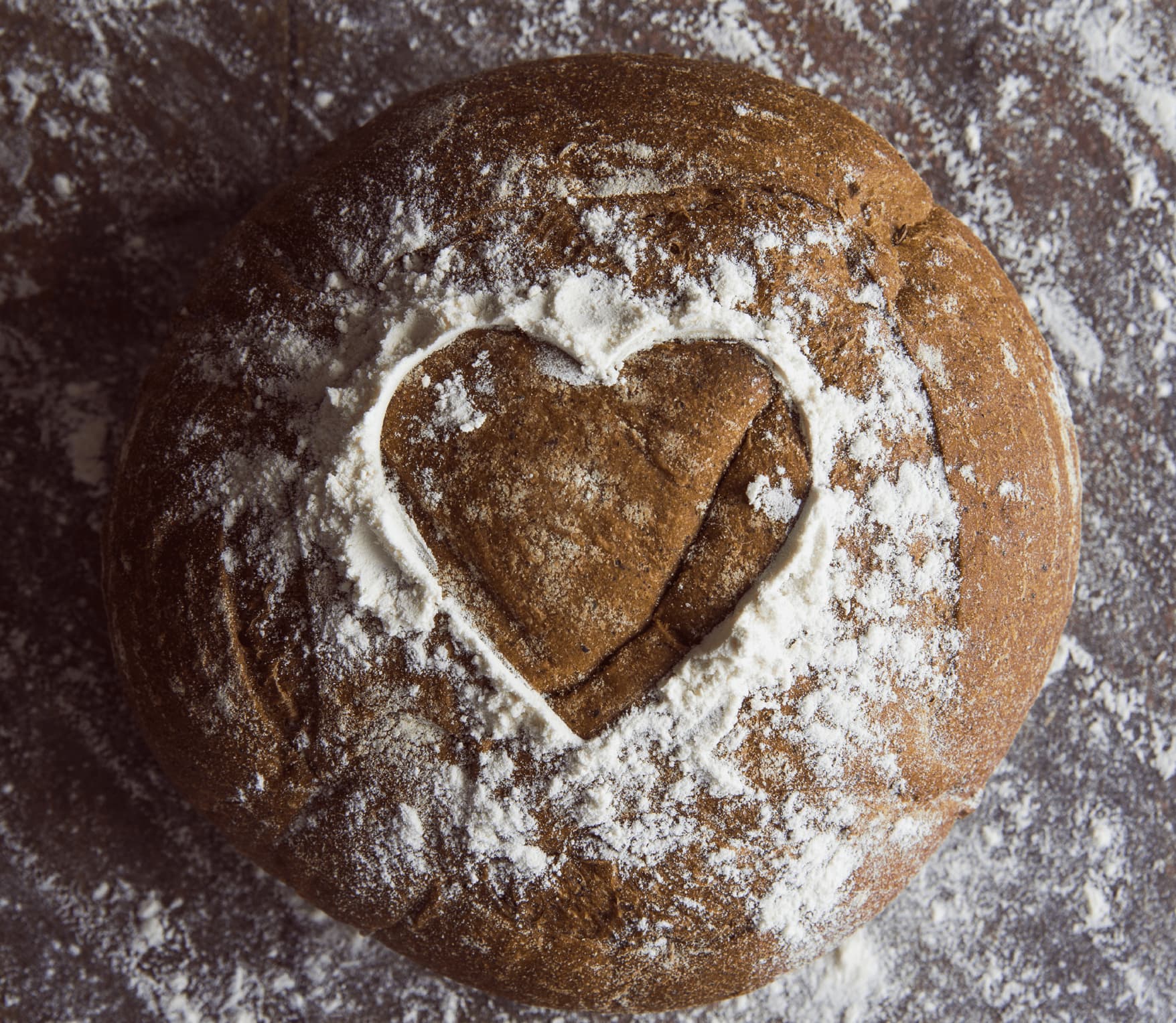
How to use "whole grain" in labeling and marketing?
6 MAY: There is no doubt that whole grain intake needs to increase. One way to make it easy for consumers to find whole grain products in shops and bakeries is to [...]