
Whole grain tips

Whole Grain Day January 14
Eating more whole grains is easy and has a big impact on your health. With Whole Grain Day, we want to focus on whole grains at the beginning of the year and inspire you to add more whole grains every day for the rest of the year!
According to the Food Report 2025, nearly 60% of Swedes eat whole grains for breakfast. Porridge, bread, cereal, and muesli are fantastic everyday products that make it easy to eat whole grains. What is your favorite breakfast?
A rye crispbread sandwich for a snack every day is another good whole grain habit that is easy to start with.
Take the opportunity to think about how 2026 could be the year when whole grains take a bigger place in your life!
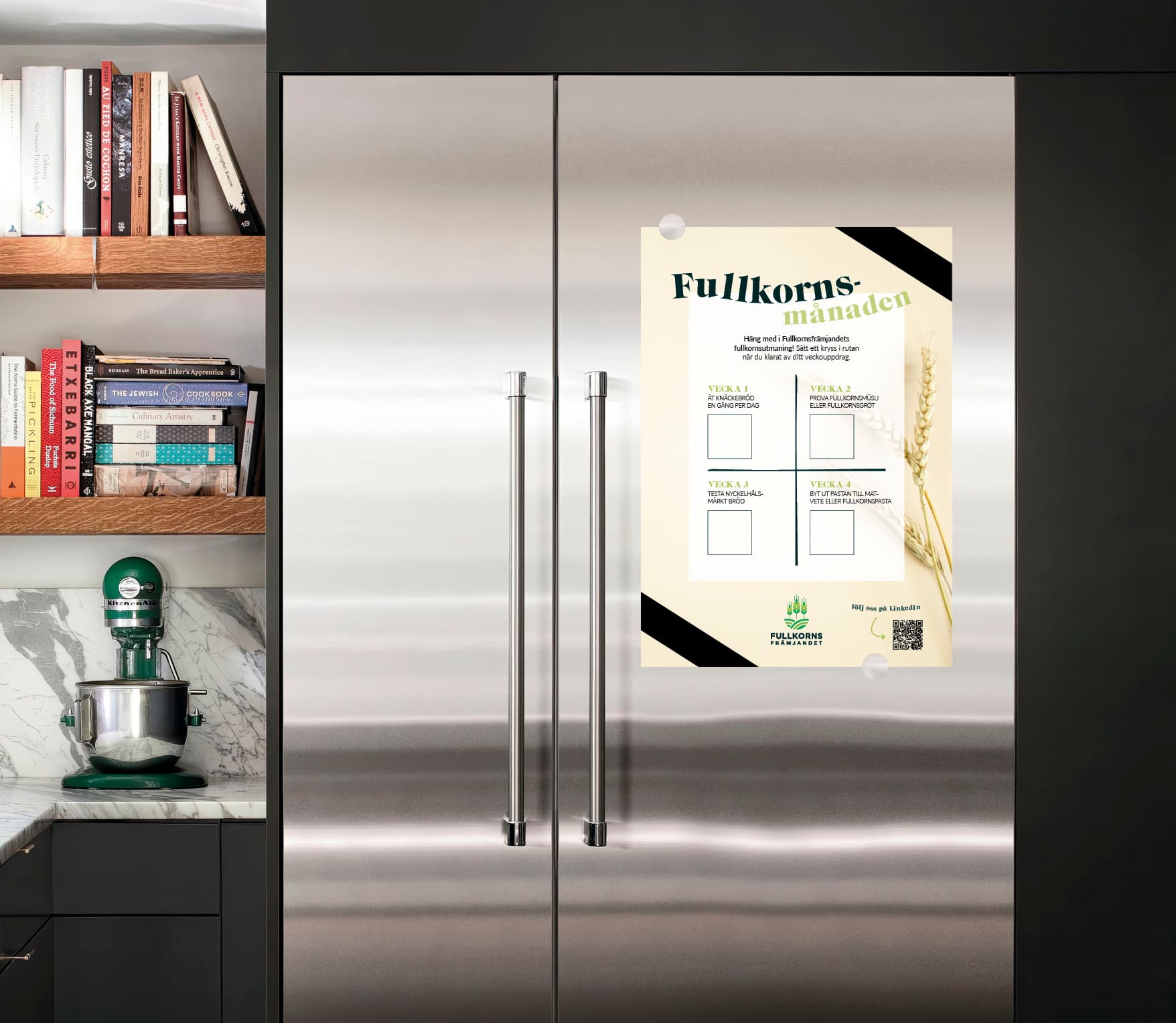
THE WHOLE GRAIN CHALLENGE
Join FullkornsFrämjandet's Whole Grain Challenge! For one month, try more whole grains in your household. Download, print and hang on the fridge. Don't forget to tag @fullkornsframjandet and #fullkornsframjandet when you do your challenge!
SNEAK IN WHOLE GRAINS
You may like whole grains and be convinced that they are good for you, but find it difficult to convince those around you. In this case, the sneak tactic may be the most effective way. There are many dishes where you can sneak in whole grains and get those who eat the least whole grains to get some, such as a little rye flour in the pancake batter or oatmeal in the meatballs. Those who currently eat no whole grains would benefit most from increasing their intake. So a small increase is better than no increase at all. Much like with exercise. Those who don't exercise at all have the most to gain by starting to take a daily walk, for example.

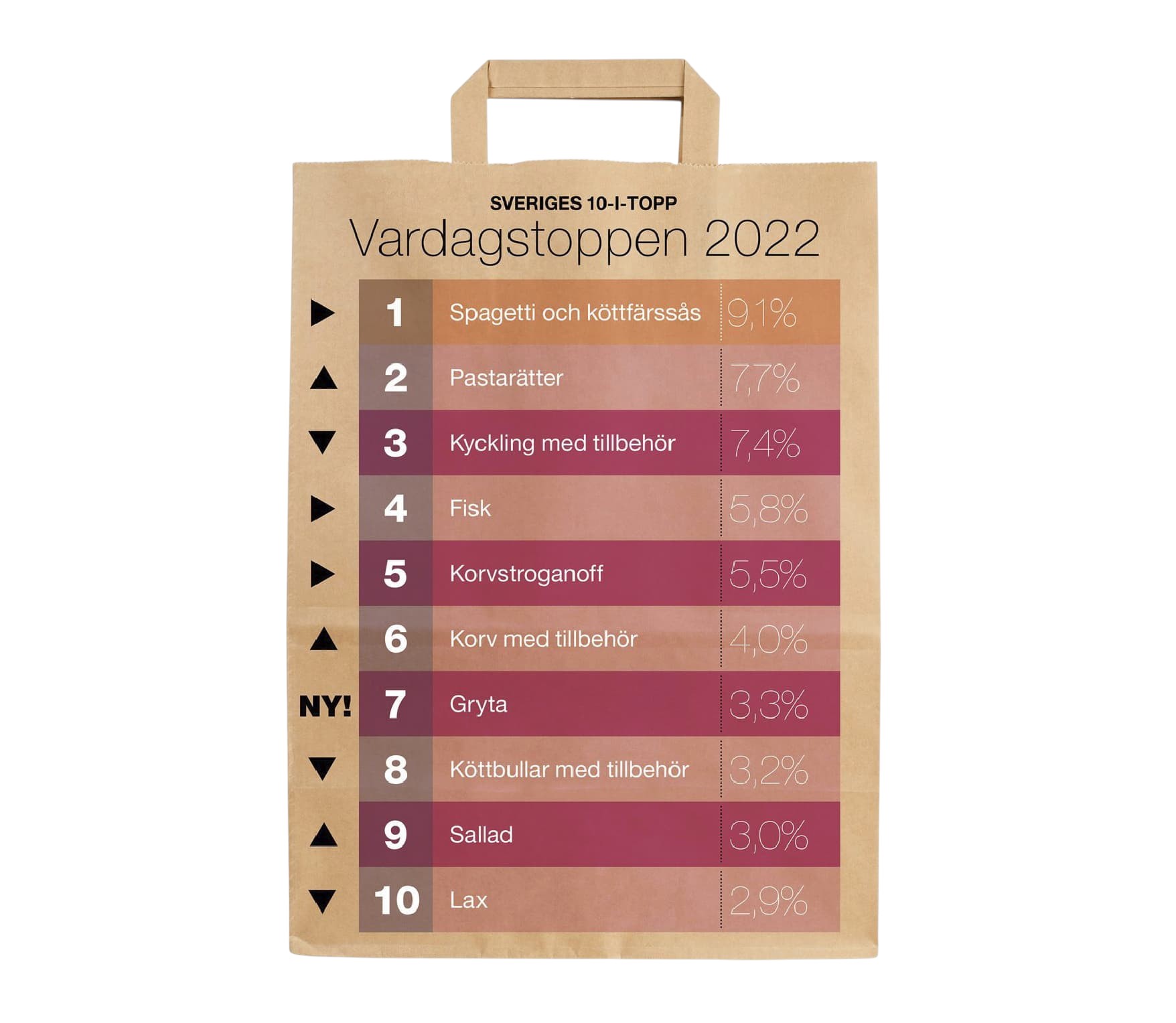
50/50 - MIX FULL GRAIN PASTA and PLAIN PASTA
Spaghetti and meat sauce and pasta dishes are at the top of the dishes that Swedes cook the most every week according to Sweden's top 10 in 2022. One way to get whole grains is to use half whole grain pasta and half regular pasta. Check the cooking time and start with the one that has the longest cooking time and then put variety number two in the same pan.
Source: Foods & Friends Food Report
LOOK FOR THE KEYHOLE
The Keyhole is a food label developed by the Swedish National Food Agency, which is based on the Nordic Nutrition Recommendations and provides guidance for a healthier diet. To qualify for the Keyhole label, cereal products must have a minimum content of whole grain. By choosing the Keyhole label, you automatically choose whole grains. For example, a tip in the grocery store is to let children choose any bread they want with the only requirement that the bread is keyhole labeled.


WHOLE GRAINS FOR PEOPLE WITH CELIAC DISEASE
Celiac disease is an autoimmune disorder in which the body's immune system reacts to gluten, a protein found in wheat, rye and barley. It damages the small intestine and makes it difficult to absorb nutrients. People with celiac disease cannot eat products such as bread and pasta based on wholemeal flour from these cereals. Oats, on the other hand, do not contain gluten and specially grown oats labeled gluten-free or oat bread in the gluten-free range in stores are good sources of whole grains. Wholegrain products made from rice, maize, millet, teff and sorghum do not contain gluten and are fine for coeliacs. However, you should always check the list of ingredients to make sure there are no gluten-containing ingredients in the product. If you want to know more and get tips on how to think if you have celiac disease - read more on the Swedish Celiac Association's website.
TIPS FOR BAKING WITH WHOLE GRAINS
- If the bread feels dry when baking with whole grains, you can soak the whole-grain flour for at least 30 minutes before mixing the dough. This allows the flour to absorb the water, resulting in a moister loaf.
- The higher the percentage of whole grains in the dough, the more gently and slowly you should knead it, even if you’re using a machine. This helps preserve the dough’s texture and prevents it from becoming dense.
- If you're new to whole-grain baking, it might be a good idea to start with a small amount of whole grains—for example, about 5% of the total flour. Gradually increase the amount as you get to know the dough's characteristics.
- Want to let the dough rise over the weekend?
Flash-freeze the dough for about 15 minutes in the freezer, then place it in the refrigerator over the weekend. For best results with long-rise dough, use high-protein flour and work with lukewarm water (about 20–22 degrees).
Read more about why it’s beneficial to bake with: whole grains

Sourdough Tips!
Get started easily—combine yeast and sourdough.
Start by adding a little regular yeast to the dough along with the sourdough. This makes the process more predictable and helps you get a feel for how the dough behaves before you try baking entirely without yeast.
Common mistakes and how to avoid them.
Is your bread turning out dry? This could be due to too much flour, too little water, or the dough not having risen long enough. Be patient and let the dough rise properly for the best results.
Don’t rush the process. Sourdough baking takes time; let the dough develop at its own pace to achieve a moist and flavorful loaf.
Tips for successful sourdough bread.
Get to know your sourdough starter; every starter is unique and can behave differently depending on temperature and flour type. Use a digital kitchen scale to get the proportions right.
Feel free to write down your baking results and adjust as you go.